
Rebuilding vision after concussion, stroke, or brain injury.
A personalized program for the visual symptoms that follow a concussion or neurological event, led by Dr. Bruce Meyer, FCOVD.
- Physician-led care
- No upselling, ever
- Insurance checked in advance
- Second opinions welcome
The short answer
Neuro-optometric rehabilitation treats the visual problems that often follow a concussion, traumatic brain injury, or stroke, such as double vision, light sensitivity, dizziness, difficulty reading, and trouble in busy environments. At Riverdell Vision, Dr. Bruce Meyer, FCOVD, evaluates how the injury has affected the visual system and builds a rehabilitation program, which may include therapeutic lenses, prisms, and guided therapy, to help the brain and eyes work together again.
Reviewed by Dr. Bruce Meyer, FCOVD · Updated June 2026
Why this matters
After a concussion, many people are told their scans are normal and to simply wait, yet they still cannot read, tolerate screens, or feel steady in a busy aisle. Vision is deeply tied to balance, attention, and comfort, and when a brain injury disrupts the visual system, everyday life becomes exhausting. These symptoms are real, common, and treatable.
Who this is for
- People with lingering symptoms after a concussion or TBI
- Patients recovering from a stroke with new visual difficulty
- Anyone with double vision, light sensitivity, or dizziness after a head injury
- Those told their eyes are fine but who still cannot read or focus comfortably
Is this you?
Check what sounds familiar.
A quick self-check, not a diagnosis. Tap the ones that apply to you or your child. Nothing you select is stored.
Select any that apply and we will suggest a sensible next step.
A careful, measured process.
No guesswork and no rushing. Here is how an evaluation actually goes.
- 01
A neuro-visual evaluation
We assess how the injury has affected eye teaming, focusing, eye movements, and visual processing.
- 02
A rehabilitation plan
Dr. Meyer designs a personalized program, which may include therapeutic lenses, prisms, and guided therapy.
- 03
Coordinated care
We work alongside your other providers and track progress toward specific, functional goals.
Options matched to you, not a default.
Every plan is personalized. These are the approaches we most often use, with no exaggerated promises about outcomes.
- 01
Therapeutic lenses and prisms
Carefully prescribed lenses or prisms can ease double vision, strain, and disorientation.
- 02
Guided neuro-visual therapy
Progressive activities help the visual system reorganize and regain stability.
- 03
Functional goals
The aim is real-world improvement: reading, screens, driving, and moving through busy spaces with less strain.
Cost & insurance
What will this cost, and is it covered?
Neuro-optometric rehabilitation is often billable to medical insurance, especially after a documented concussion, injury, or stroke. Coverage and visit limits vary; we verify your benefits, coordinate with your other providers, and explain any out-of-pocket cost before starting.
- Insurance verified in advance
- Clear pricing before you commit
- No upselling, ever
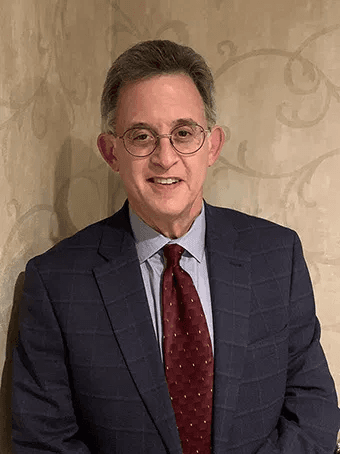
Your doctor
Dr. Bruce Meyer, FCOVD
A Fellow of the College of Optometrists in Vision Development, Dr. Meyer directs the practice's vision therapy and neuro-rehabilitation work.
What our patients say
Always a great experience with top notch staff. They have deep experience helping concussed patients with recovery.
Always a great experience going to Riverdell Vision. Dr Han is an outstanding optometrist. She's an expert at what she does, she listens, and is thorough in all her evaluations. She's always incorporating the latest technology, techniques, and methods from her field. The service is stellar and the staff are all friendly. Would highly recommend!
Kindest staffs and doctor ever! Doctor Han explained all the details very kindly in Korean and English as well.
THE BEST! Dr. Amy Mundanchira is the best optometrist I have ever seen. Knowledgeable, takes time, kind, able to handle complex medical histories and really listens!
In plain English
Neuro-Optometric Rehab, in plain English
- Neuro-optometric rehabilitation
- Therapy that helps the visual system recover after a concussion, brain injury, or stroke, using lenses, prisms, and guided exercises.
- Prism
- A lens element that bends light to relieve double vision and visual strain after a neurological event.
- Post-concussion vision syndrome
- The cluster of visual symptoms (blur, double vision, light sensitivity, dizziness) that can follow a concussion even when eyesight is 20/20.
- Visual midline shift
- A distorted sense of where straight-ahead is after brain injury, affecting balance and posture.
Good questions, answered plainly.
Considering Neuro-Optometric Rehab?
Request a consult and we will help you understand your options, with clear guidance and no pressure.